How Meditation Has Helped Me

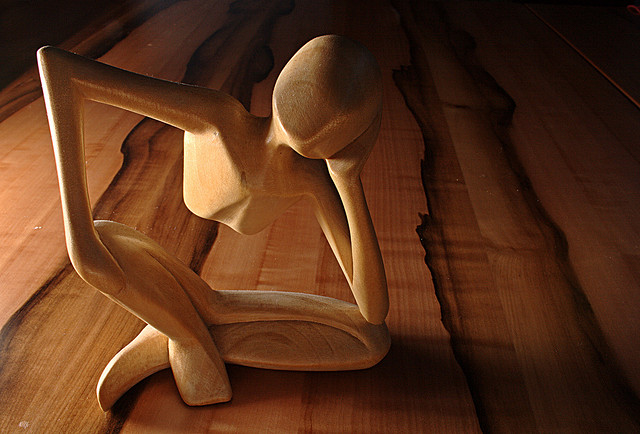
Image by Kah Wal Sin, courtesy of Creative Commons licensing.

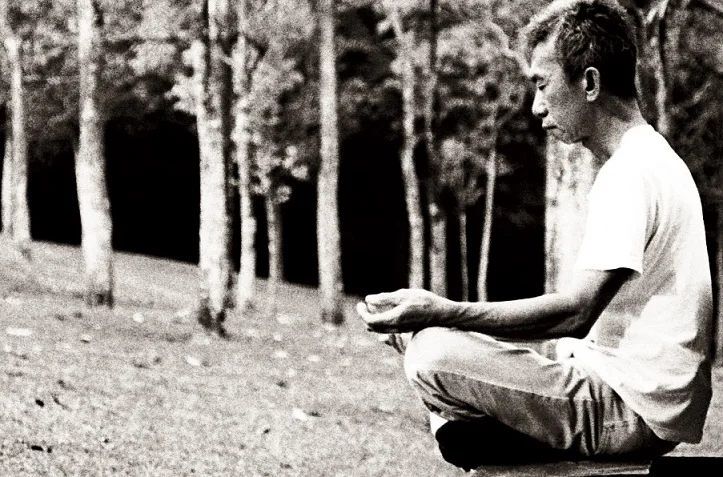
Image by Kah Wal Sin, courtesy of Creative Commons licensing.

I was first introduced to meditation by my mother, who has maintained a 15-minute a day meditation habit for almost forty years. Her brother, my namesake, encouraged her to begin a meditation practice to reduce stress and increase focus. She learned the transcendental meditation technique and has noticed a range of positive effects from her practice.

When I was younger, meditation seemed to be a waste of time. Why sit for extended periods of time not doing anything? It wasn't until college that I became interested in meditation. I'm not sure exactly what led me to it, although I imagine it was a combination of my personal experiences and books I was reading at the time.

I don't recall the first several times that I attempted to meditate, but I do remember inspiring friends and family to meditate with me occasionally. My main sources of information at that time about meditation stemmed from podcasts, books, and YouTube videos.

Pretty soon after I began, I had developed a consistent meditation practice of at least 10 minutes per day. Every once and a while I would meditate for 30 minutes to an hour. Back then I liked to light incense and listen to ambient or relaxing music (Brian Eno, Sigur Rós, STS9, Indian ragas, etc.) during my practice. 

My meditation practice deepened further post-college, when I delved into books specifically about meditation and mindfulness. I recall reading Meditation for Dummies, which was actually very helpful for me and introduced many concepts that I still use today. I learned about various meditation techniques such as counting the breath, mantras, visualization, and compassion meditations. Each technique has a different focus and yields a different result.

I realized that after several years of a daily meditation practice, I felt calmer, more focused, more patient, and happier from day to day. It became one of the major focal points in my life, and I coupled that with a foray into yoga as well. 

A few years ago my meditation practice dropped off a bit. I was still meditating a couple times a week, but it was no longer a daily practice. Reflecting on that period of time, I understand why it is common to hear that it is better to meditate 10 minutes each day than 70 minutes one day of the week. The benefits of meditation come from a regular practice, not the aggregate time that is put in each week or month. I wasn't seeing the same benefits that I had while sticking to my daily meditation practice. My patience decreased, I became less-focused, I became more anxious, and I my average level of happiness took a dive.

I made a re-commitment to meditation this past New Years Eve, and have been meditating every day since then, even if it is only two minutes per day. Most days I meditate for 10 minutes, but the important thing to me is that I have reestablished the daily practice once again. Even after only four months, I have noticed a definite improvement in my well-being.

I usually count my breaths or recite mantras during my meditations, but lately I have been experimenting with several iPhone apps for meditation. During the most consistent period of my meditation practice, I spent a couple years with the Insight Timer app on my iPad, but eventually stopped using it. I have been using Samsara for nearly a year now, which is a simple timing app that invites a bell to sound at the beginning and end of a meditation session, with an optional interval bell as well. I really enjoy using Samsara because of its simple features and intuitive user interface. Within the past few weeks I have been experimenting with the guided meditation apps Calm and Headspace, which include guided meditations for different situations or goals. These two apps require a paid subscription, and I haven't decided which one I prefer or if I will continue to use them at all after the free trial periods end.

I will continue this discussion about meditation in future posts, with advice on why and how to get started with your own meditation practice, what to do when difficult material enters your mind, posts featuring various meditation techniques, meditation book reviews, and many more posts I haven't thought of yet. I am by no means an advanced meditator, but I believe firmly in the power of a daily meditation practice to transform your life for the better. I hope you enjoyed my story and will consider trying to meditate soon—I promise that if you make it a daily habit you will notice positive changes in your well-being and the way you interact with others. Namaste.

Weekend Thoughts - 4.4.15

Image by Christian Weidinger, courtesy of Creative Commons licensing.

Image by Christian Weidinger, courtesy of Creative Commons licensing.

Happy Saturday y'all! I have been doing some spring cleaning around the house and purging unnecessary possessions, to make the atmosphere at home calmer and less cluttered. The weather is looking brighter and warmer, which is exciting and uplifting. There will be less links this weekend, as I am still determining the best way to collect them throughout the week. Below are my recommended articles from the past week:

1. Feeling Intense Emotions Doesn’t Make You Crazy — But That’s Not What Big Pharma Wants You to Think — via reset.me. An excellent interview with Julie Holland, author of the new book Moody Bitches, about the pharmaceutical industry's treatment of women, the slick advertising techniques used to market drugs, and how experiencing strong emotions is not a signifier of an underlying health issue.

2. Inquiry of Silk Road Website Spurred Agents' Own Illegal Acts, Officials Say 
— via New York Times. Agents from the Drug Enforcement Agency and Secret Service have resigned after being formally charged with money laundering and wire fraud. Rather than turning in $1.6 million of Bitcoins gathered from the investigation of online marketplace Silk Road, these agents have been accused of transferring them into their personal bank accounts.

3. Verizon Wireless Customers Can Now Opt Out of 'Supercookies' 
— via New York Times. The article's lede: "Verizon Wireless customers now have the ability to completely opt out of the phone carrier's controversial ad-targeting program that tagged users with undeletable tracking codes, which critics called 'supercookies.'" If you would like to opt out yourself, you can do so on Verizon's website.

4. Psychedelic Drugs 'Safe as Riding a Bike or Playing Soccer'
— via Newsweek. A report on a letter published recently in the Lancet Psychiatry Journal, that argues that drug policies must respect the rights of individuals who choose to use psychedelics as a spiritual, personal development, or cultural activity. It is encouraging to see positive coverage on psychedelics making it to publications like Newsweek.

That's all for this weekend. Enjoy the articles and I will share more next weekend!

My Dreadlocks Journey

Image by [sjugge], courtesy of Creative Commons licensing.

Image by [sjugge], courtesy of Creative Commons licensing.

I have fielded a wide variety of questions since I started growing my dreadlocks in December 2012. The inquiries from family, friends, and complete strangers have seeded the desire to share the story of my dreadlocks journey here. 

During the first couple decades of my life, I didn't give much consideration for how my hairstyle could be an external expression of my personality and spirit. I experimented with several common hairstyles - bowl cuts throughout elementary and middle school, and preppy spikes and buzz cuts during high school and college. I even shaved my head with a friend of mine in college, simply to have the experience of being fully bald for a few weeks. Coming to the realization that voluntary baldness is just not my style was not at all difficult for me.

After suffering through all of those hair faux pas I decided to start growing out my hair a few years after graduating from college, with the faintest idea about growing dreadlocks. Three years into this experiment netted me 23 inches of straight blond hair, which became a fun part of my personality but my intention for growing dreadlocks did not go away - if anything it became stronger.

I studied the process of growing dreadlocks for about a year before deciding I had enough information to feel confident with beginning the process. Dread Head HQ was my main source of information, and proved invaluable for me during the initial stages of my dread journey. (Disclaimer: I am not affiliated with Dread Head HQ in any way shape or form, although I continue to be a satisfied customer!) There are also plenty of websites and YouTube videos that are helpful for learning more about growing dreadlocks.

Two of the major concepts that I implemented from Dread Head HQ were the importance of identifying a personal reason for growing dreadlocks and committing to growing them for at least a year before chopping them off in frustration. Figuring out the reason for growing dreadlocks gives someone on this path a foundation to hold onto when things get rough, and committing to a full year will get the majority of dreadlock initiates through the awkward phase.

The reasons for growing my dreadlocks stemmed from several changes that I made at that time in an effort to become a healthier and happier person. These improvements included eating more nutritionally-dense plant-based foods, running and exercising regularly, focusing on meditation and yoga, maintaining a healthier weight, becoming a better listener and friend, and getting a better handle on my finances. In a nutshell, my main reason for growing dreadlocks was to give myself a visual reminder to stay dedicated to my personal growth and continue to focus on self development.

As the years have gone by, my dreadlocks have taken on additional meaning for me, including signifying where I am on my spiritual path and giving me more confidence in my physical appearance. The aspect of "looking cool" has never been important to me, although I will admit that I feel more like myself with dreadlocks than I ever did in the past.

Committing to one year of growing dreadlocks was not a huge challenge for me. I had experimented with several self-guided 30-day challenges prior to growing dreadlocks, so I felt confident in committing to a full year. Little did I know how much work I would put into them and how different they would turn out from the image I had in mind, but one lesson that growing dreadlocks taught me was to surrender to the process itself. Dreadlocks are not the type of hairstyle that you put in one day and have the next — they must be earned!

When the time came to backcomb my straight hair into baby dreadlocks, I invited a group of friends to my house for a Dread Party so they could help me get started. Describing the event as a rough start would be an understatement — my friends were only able to backcomb about a quarter of my sectioned hair before they left for the day. I spent the next week staying up every night backcombing my own dreads and getting more assistance from two of the friends from the Dread Party. I decided to cut my hair length in half during this process to save time and frustration, which left me with only about 12 inches of hair. After at least 100 additional hours, I completed the backcombing process and started the beginning stages of maintenance.

Without getting into the minutiae of early dreadlock maintenance, I will summarize by saying that I spent roughly 10 hours a week palm-rolling, waxing, rubberbanding, washing and drying, salt-spraying, and re-backcombing stubborn dreadlocks with loose tips. During the first three months of my dread journey, I made an impulse decision to trim some of the dreadlocks with loose tips that were not accepting the backcombing process. That decision has left me with a head of dreads with various lengths, although I now regard it as something that makes my dreadlocks unique.

Ten months passed, my dreadlocks were still not locked, and they did not look anything like I originally hoped for. I made the decision to visit a local dreadlock repairman who untangled the webbed mess of roots to establish dreadlocks that were separate from each other rather than the one huge beaver tail dreadlock that they were gradually becoming. This was the moment when things started to turn around for the better — my roots were secure, but my tips were still loose.

I ended up pulling the loose tips into their respective dreadlocks at the 15-month mark, which made my dreadlocks very short and awkward, but I was much happier with them. People even stopped asking me if my dreads were falling apart, which I always thought was a rude question but I tried to not let it get to me.

In fact, the questions I was asked during the first 15 months were engaging at best and frustrating at worst. I knew that having dreadlocks would cause complete strangers to talk to me, but I wasn't prepared for blatant criticism from people who didn't even know me. There were several times when snooty folks told me they looked terrible or that I needed to get them fixed. I never considered chopping them off, since I had put several hundred hours of work into them and I knew that they would eventually be something I was proud of. Negative feedback has dwindled down to almost zero at this point, which certainly feels like something I have earned.

After two years of growing dreadlocks, I love them more than ever and each day gets better than the last. It is awesome to look at them nowadays and recognize the hard work, belief, and tenacity that they hold. They have served as an excellent visual reminder for me to stay committed to myself and continue on my spiritual path. I wish I could say that I recommend dreadlocks for everyone, but I recognize that most people don't have the courage or ability to look unkempt for a year or more. I hope that you have enjoyed this tale of mine and that it gives you a deeper understanding of the work that it takes to grow an impressive head of dreads.

Weekend Thoughts - 3.29.15

Image by Davide Restivo, courtesy of Creative Commons licensing.

Image by Davide Restivo, courtesy of Creative Commons licensing.

Happy Sunday, y'all! Although we are a couple weeks into the Spring season, it is still chilly in my neck of the woods. I am definitely looking forward to consistently warmer weather, which should be just around the bend. I have gathered some of my favorite articles from the past week and compiled them into the following list of links. Hopefully this will become a regular staple post that you can look forward to each week. Without further ado, here is what captured my attention the past week.

1. "How to Build a Universe That Doesn't Fall Apart Two Days Later" by Philip K. Dick, 1978 —via deoxy.org. PKD wrestles with two of the major themes of his novels: "What is reality?" and "What is the authentic human?".

2. Passphrases That You Can Memorize — But That Even the NSA Can't Guess — via The Intercept. If you're worried about your stored data being stolen by the NSA, this article explains how to use Diceware to generate a passphrase that can survive the NSA's trillion-guess-per-second cracking attempts while still being simple enough to remember.

3. The 10 Key Attributes Top Earning Freelance Bloggers Share — via Leaving Work Behind. One of my favorite freelance blogging blogs covers the most important skills that successful freelance bloggers need to thrive in the blogosphere.

4. Quick and Easy Chickpea Scramble — via Choosing Raw. This scrumptious recipe from Gena Hamshaw places the humble chickpea in the spotlight in a simple scramble featuring veggies, turmeric and other spices, and nutritional yeast.

5. I Did "Psychedelic First Aid" at a Festival in Costa Rica — via Fest300. A experiential description of the work that The Zendo Project (a group based in Santa Cruz, California, that provides a safe space for people having difficult psychedelic experiences and other emotional or personal challenges at festivals) performed at the 2015 Envision Festival.

6. The Lost Will and Testament of Javier Grillo-Marxuach — via The Grillo-Marxuach Experimental Design Bureau. One of the writers of the television show Lost writes down his recollections of the early days of writing the show. The piece is a nice walk down 4815162342 Lost Memories Lane, if you know what I mean.

That's all for this week's Weekend Thoughts post. I hope you have enjoyed the articles and I look forward to feeding you more next week.

An Introduction

The "Tree of Life" from my backyard. Original image taken by David Wilder.

The "Tree of Life" from my backyard. Original image taken by David Wilder.

Hello y'all and welcome to Think Wilder. My name is David Wilder and I am a 28 year-old from Raleigh, North Carolina. I decided to start this blog as a way to express my thoughts and spread my message to the world.

Although I have not yet decided on the focus of this blog, my vision is that this will be a space for me to share my thoughts and exercise my voice on a variety of topics. My main interests include music, reading and writing, plant-based diets, fitness, meditation and yoga, psychoactive drugs, gardening, alternative economics, and self-development. My hope is that I will explore all of these topics and many more on Think Wilder.

I must admit upfront that I have abandoned a few blogs in the past, including a cigar review blog and a book review blog, but I am going to commit to publishing at least one blog post per week on Think Wilder. Hopefully I will continue to grow as a writer and a person while working on this blog, and would like to invite anyone who is interested to strap in and enjoy the ride with me.